The Torrey Pine
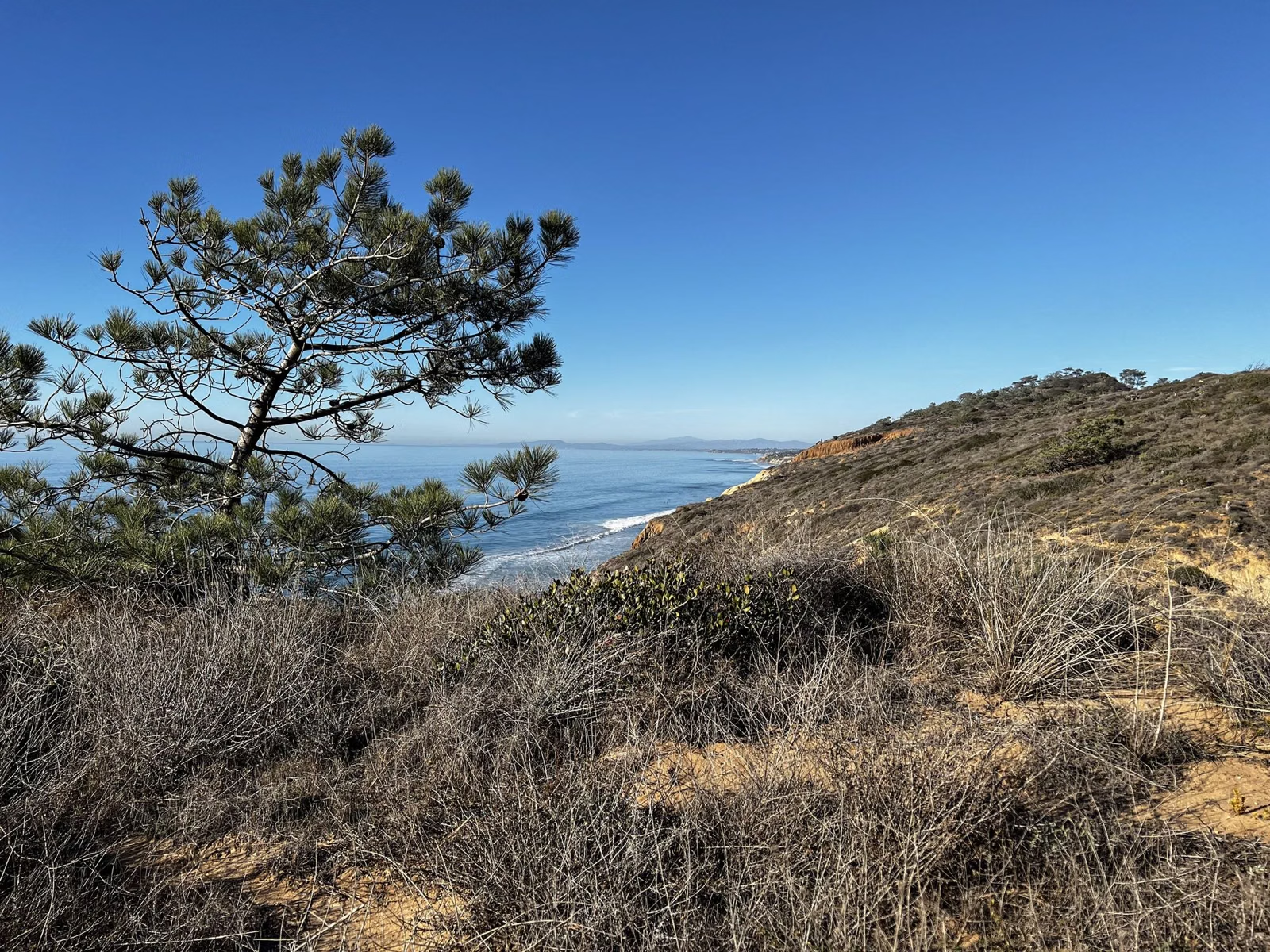
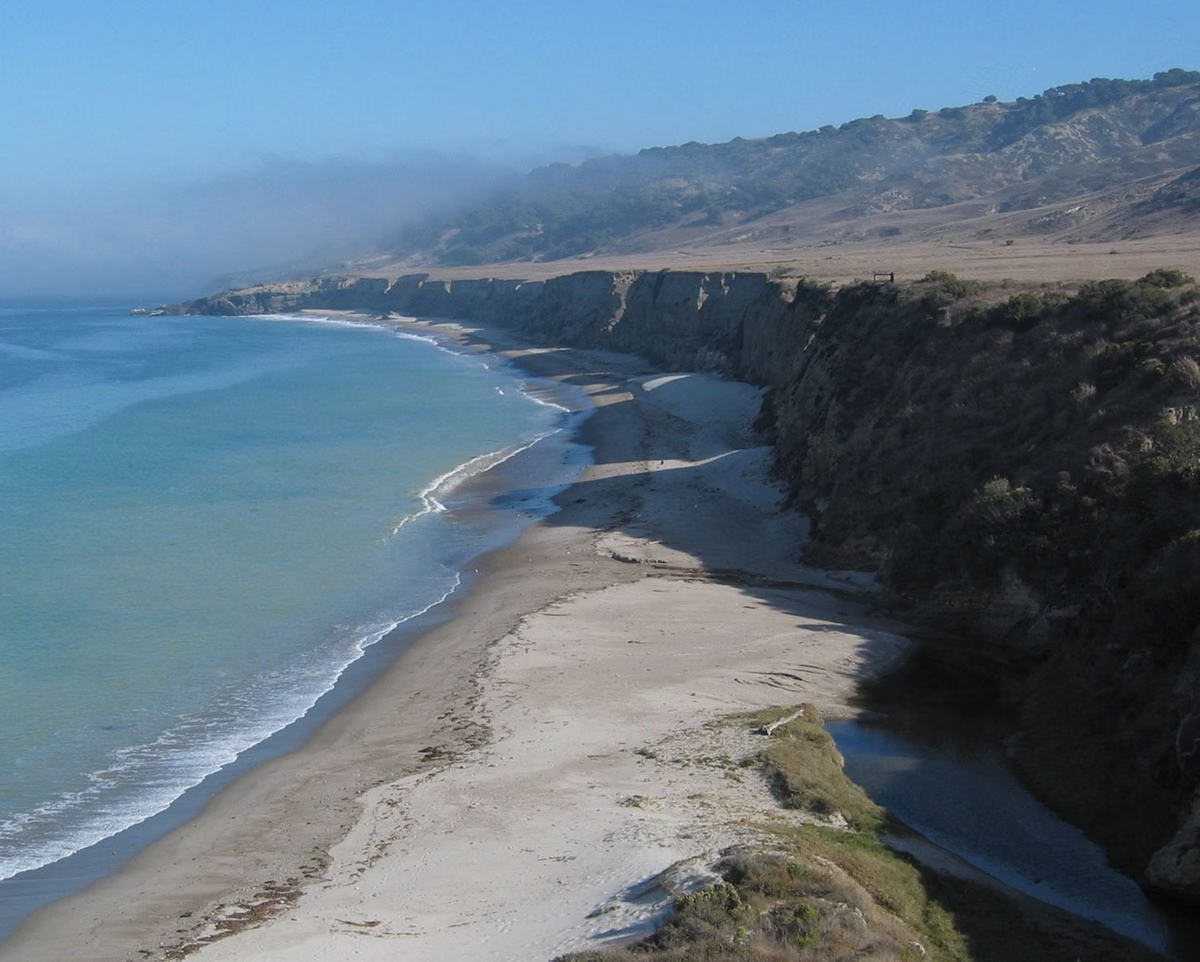
The Torrey pine, Pinus torreyana, is one of the rarest pine trees in North America, and California State Parks calls it the nation's rarest. It grows naturally in only two places: the strip of San Diego coast protected by Torrey Pines State Natural Reserve, and Santa Rosa Island off Santa Barbara. State Parks describes the trees as remnants of an ancient woodland that once lined the Southern California coast.
The Torrey Pine at a Glance
Where It Grows
In the reserve the pines cling to crumbling sandstone bluffs or stand taller in sheltered canyons. The State Parks brochure says their shape follows the weather: low, gnarled and twisted where wind and salt air hit them, taller and straighter where they are protected. Long roots anchor them in the poor, dry soil.
The tree depends on the coast's summer fog. State Parks notes that in June and July fog can last all day, which is what lets the pines survive in such a dry place.
How It Got Its Name
Early Spanish explorers called the grove Punto de los Árboles, the "point of trees," and sailors used it as a landmark. The Torrey Pines Docent Society says early settlers knew them as Soledad pines. In 1850, the year California became a state, botanist Charles C. Parry, working on the U.S.-Mexico boundary survey, identified the tree as its own species and named it for his friend John Torrey, a leading botanist of the time. Torrey never came to see it; Parry sent him seeds, branches and cones.
Saving the Trees
When Parry came back in 1883 he found the trees unprotected and pushed the San Diego Society of Natural History to save them. In 1885 San Diego offered a $100 reward for catching anyone who damaged one, and in 1899 the city set aside the first 369 acres as a park. Ellen Browning Scripps later bought and donated more land. The full story is on About Torrey Pines.
Threats Today
Drought and a bark beetle outbreak in the 1990s killed most of the pines in Parry Grove. State Parks says the grove is recovering, and ecologists track the beetles with traps on fallen trees.
Where to See Them
The Guy Fleming Trail and the Parry Grove Trail pass the most trees; the Razor Point Trail has a few wind-sculpted ones above the gorge. These trails reopen with the reserve around March 1, 2027.
Please Don't Take Cones
Picking pinecones, flowers or plants is against reserve rules. The cones are the next generation of trees and food for wildlife.
The Torrey Pine FAQ
Where do Torrey pines grow?
Naturally, in only two places: the Torrey Pines coast in San Diego and Santa Rosa Island off Santa Barbara.
Why is the Torrey pine rare?
It is a remnant of an ancient coastal woodland that has shrunk to two small areas. State Parks calls it the nation's rarest pine.
Who named the Torrey pine?
Botanist Charles C. Parry, in 1850. He named it for his friend John Torrey, a leading botanist of the time.
Can I take a Torrey pine cone?
No. Collecting cones, flowers or plants is prohibited in the reserve.